What Tony Stewart Said About Kyle Busch’s Death Has NASCAR Fans Furious!
What Tony Stewart Said About Kyle Busch's Death Has NASCAR Fans Furious!
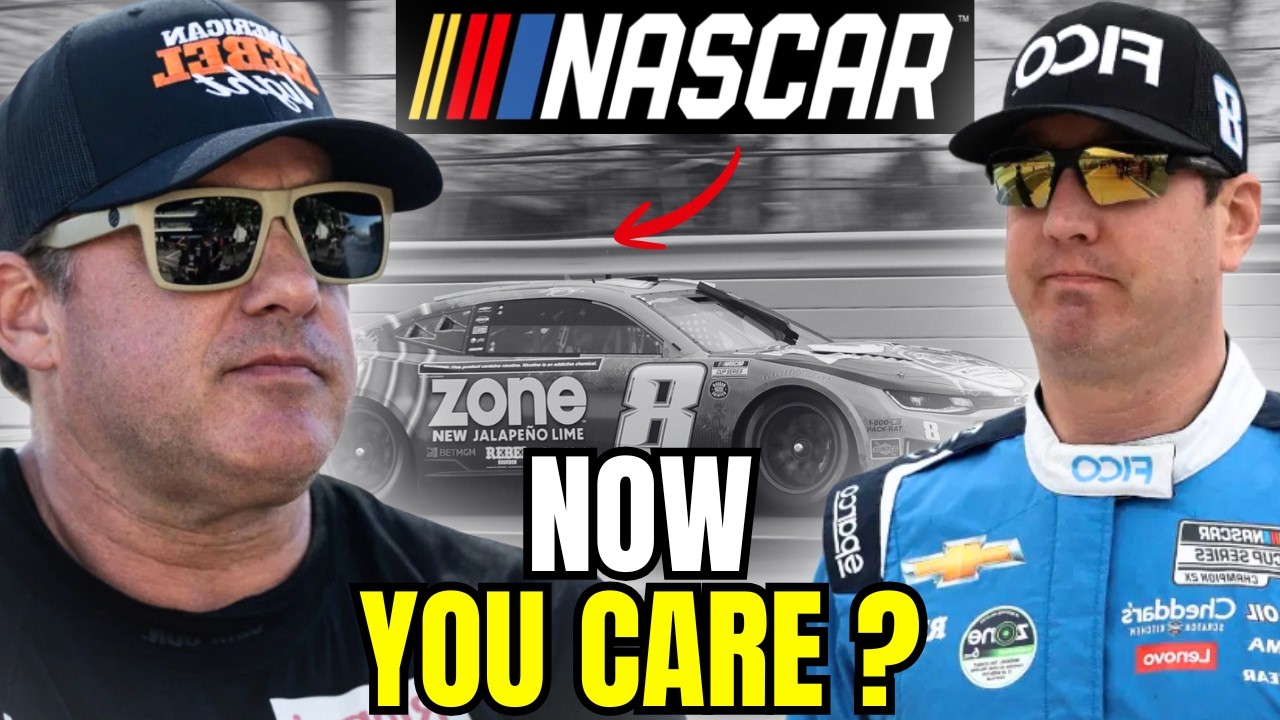
Tony Stewart’s Emotional Outburst Divides NASCAR Fans After Kyle Busch Tragedy
Just weeks after the shocking death of NASCAR champion Kyle Busch, fellow racing legend Tony Stewart has ignited a heated debate across the motorsports world with comments that many fans view as both heartfelt and controversial.
Speaking ahead of an NHRA race weekend, Stewart delivered one of the most emotional reactions yet to Busch’s passing. But instead of focusing solely on tribute and remembrance, the three-time NASCAR Cup Series champion expressed frustration toward what he sees as a pattern of people only appreciating drivers after they are gone.
Stewart’s Frustration Boils Over
Reflecting on the public reaction following Busch’s death, Stewart argued that many people spent years judging the driver based solely on his television persona before suddenly becoming interested in who he was as a husband, father, teammate, and friend.
Stewart suggested that people should have made the effort to understand Busch while he was alive rather than waiting until tragedy struck. His strongest remarks came when he criticized those who now want to learn about Busch’s character despite spending years focusing on his controversies and rivalries.


The comments immediately spread across social media, with many fans interpreting them as a direct criticism of the NASCAR fanbase.
Who Was Stewart Actually Talking About?
One reason the controversy has grown so quickly is because Stewart never identified a specific target.
He did not mention fans by name. He did not single out media members. He did not point toward critics within the garage. Instead, his comments were broad enough that almost anyone following NASCAR could feel included in the criticism.
That ambiguity has created two very different interpretations.
Some believe Stewart was speaking primarily about media narratives that often reduced Busch to the role of NASCAR’s villain. Others believe he was expressing frustration with fans who booed Busch for years before suddenly praising him after his death.
The reality may be that Stewart was referring to a combination of both.
The Case for Stewart’s Argument
There is no question that Busch spent much of his career as one of NASCAR’s most polarizing figures.
For years, he was portrayed as the sport’s ultimate villain. Fans booed him regularly. His aggressive driving style, blunt interviews, and emotional reactions often overshadowed other aspects of his life and career.
Yet behind the public image existed a very different side of Busch that many competitors knew personally. He was a devoted family man, a mentor to younger drivers, a team owner, and one of the most accomplished racers of his generation.
Stewart, who raced alongside Busch and later became his teammate at Joe Gibbs Racing, witnessed those qualities firsthand. His argument is that too many people focused on the character Busch played in front of cameras while ignoring the person behind it.
Why Some Fans Disagree
Critics of Stewart’s comments argue that his frustration overlooks an important reality.
Fans can only judge what they are allowed to see.
Most supporters never interacted personally with Busch. Their understanding of him came through races, interviews, television broadcasts, and public appearances. Expecting fans to know intimate details about his private life may be unrealistic.
Many observers also point out that Busch’s relationship with fans evolved significantly during the final years of his career.
After joining Richard Childress Racing, Busch experienced something of a public renaissance. Crowds became more supportive, his role as a father became more visible, and many longtime critics gradually softened their views.
By the final stages of his career, Busch was receiving admiration from fans who had once rooted against him.
That evolution has led some people to reject Stewart’s claim that appreciation only arrived after Busch’s death.
Grief Often Speaks Before Logic
Ultimately, many within the racing community view Stewart’s remarks less as a carefully constructed argument and more as raw grief.
Stewart has never been known for filtering his emotions. Throughout his Hall of Fame career, he built a reputation for speaking candidly, whether discussing NASCAR leadership, competitors, media members, or fans.
In this case, his comments appeared to come from a place of personal loss rather than calculated criticism.
The death of Busch forced many people to revisit memories, stories, and moments that may have been overlooked during his career. Stewart clearly believes that recognition should have come sooner.
A Debate Without a Clear Answer
The controversy highlights a broader question that extends far beyond NASCAR.
Why do public figures often receive deeper appreciation after they are gone?
Some believe Stewart’s criticism exposes a genuine flaw in how society treats athletes and celebrities. Others argue that reflection after a loss is a natural part of grieving and should not be condemned.
What remains undeniable is that Busch’s impact on NASCAR continues to inspire powerful emotions. Three weeks after his passing, fans, drivers, and industry figures are still sharing stories, memories, and tributes.
Whether Stewart’s comments were fair or unfair, they have reignited an important conversation about legacy, public perception, and the difference between a public image and a private person.
And perhaps that, more than anything, reflects the complexity of Kyle Busch himself—a driver who remained impossible to ignore both in life and in memory.